



Hennepin County Must Stop Burning Trash in Minneapolis
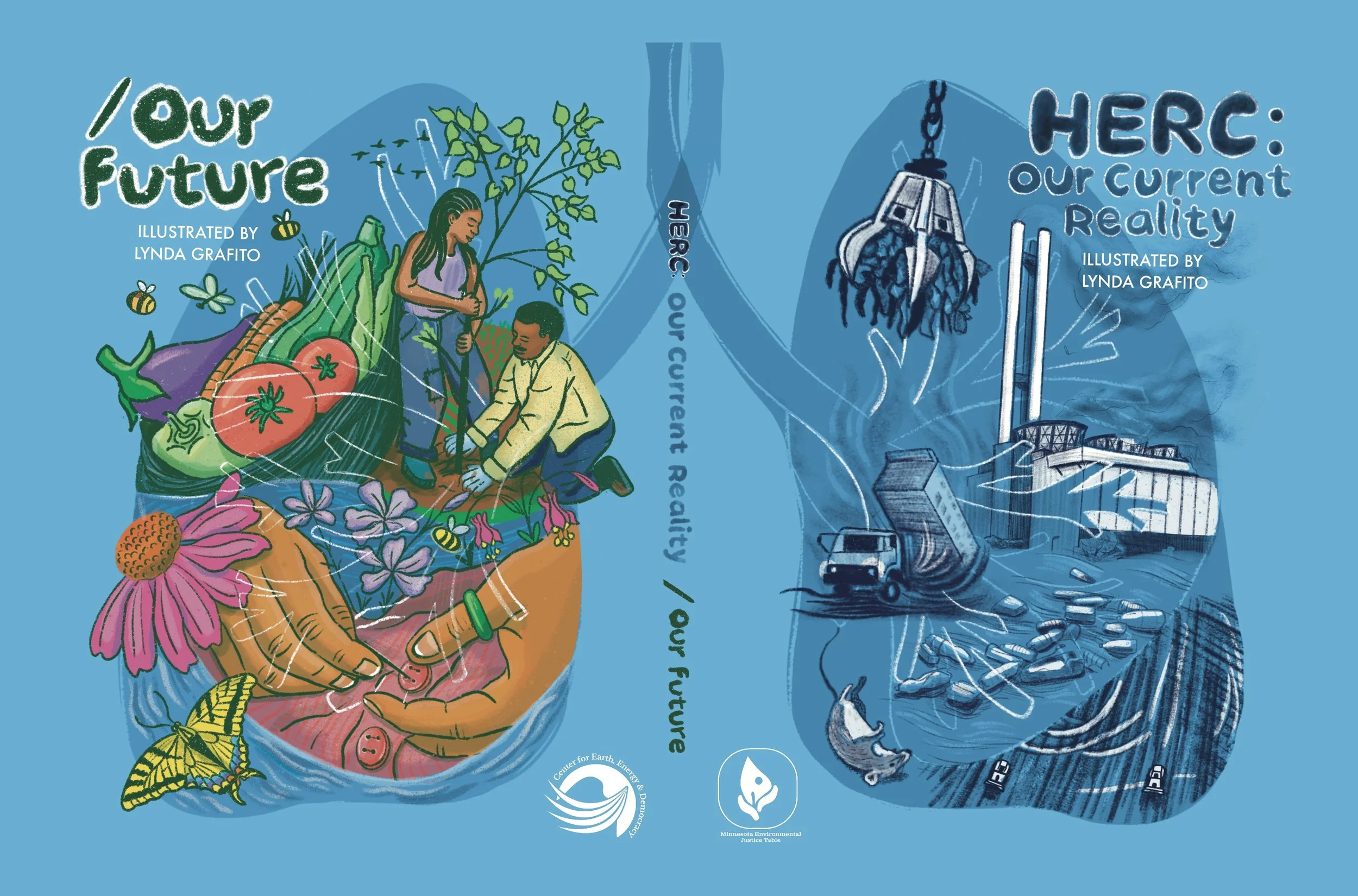
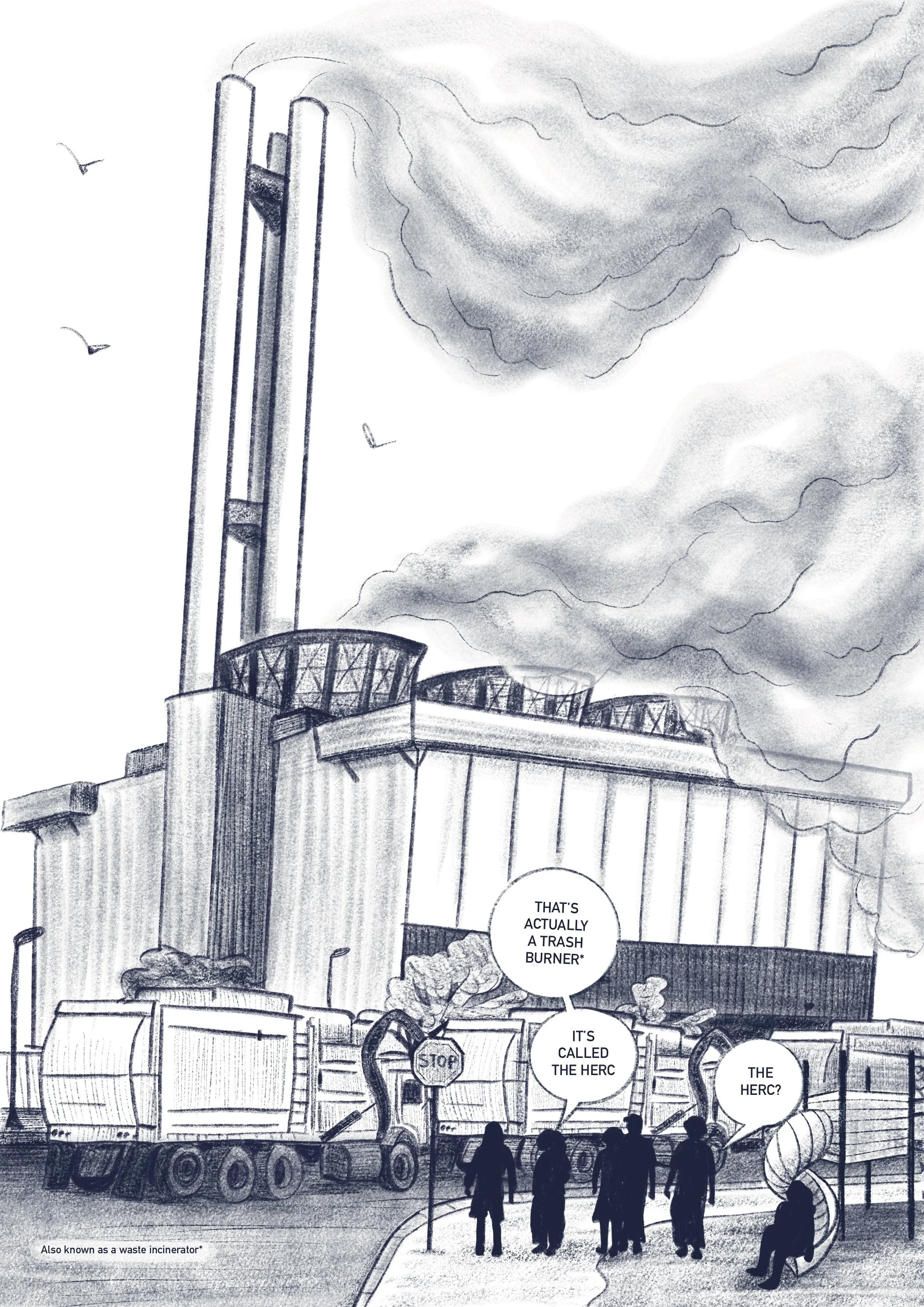
For over 30 years, Hennepin County has burned trash in the heart of a Black and working-class Minneapolis community — past its expected lifespan, past every promise of transition, and past the point where delay can be called anything other than a choice.
The Hennepin Energy Recovery Center (HERC) concentrates pollution, health risk, and harm in neighborhoods that are disproportionately low-income and people of color, while wealthier parts of the county send their trash here and bear none of the burden.

Why We Are Launching a Hunger Strike
The Freedom to Breathe Hunger Strike is a last resort — reached only after more than three decades of testimony, organizing, research, and public process. For years, community members have shown up. Hennepin County has acknowledged the need for transition, commissioned studies, and adopted plans. What it has not done is act. Delay is not neutral. Every day without a closure date is another day of preventable exposure.
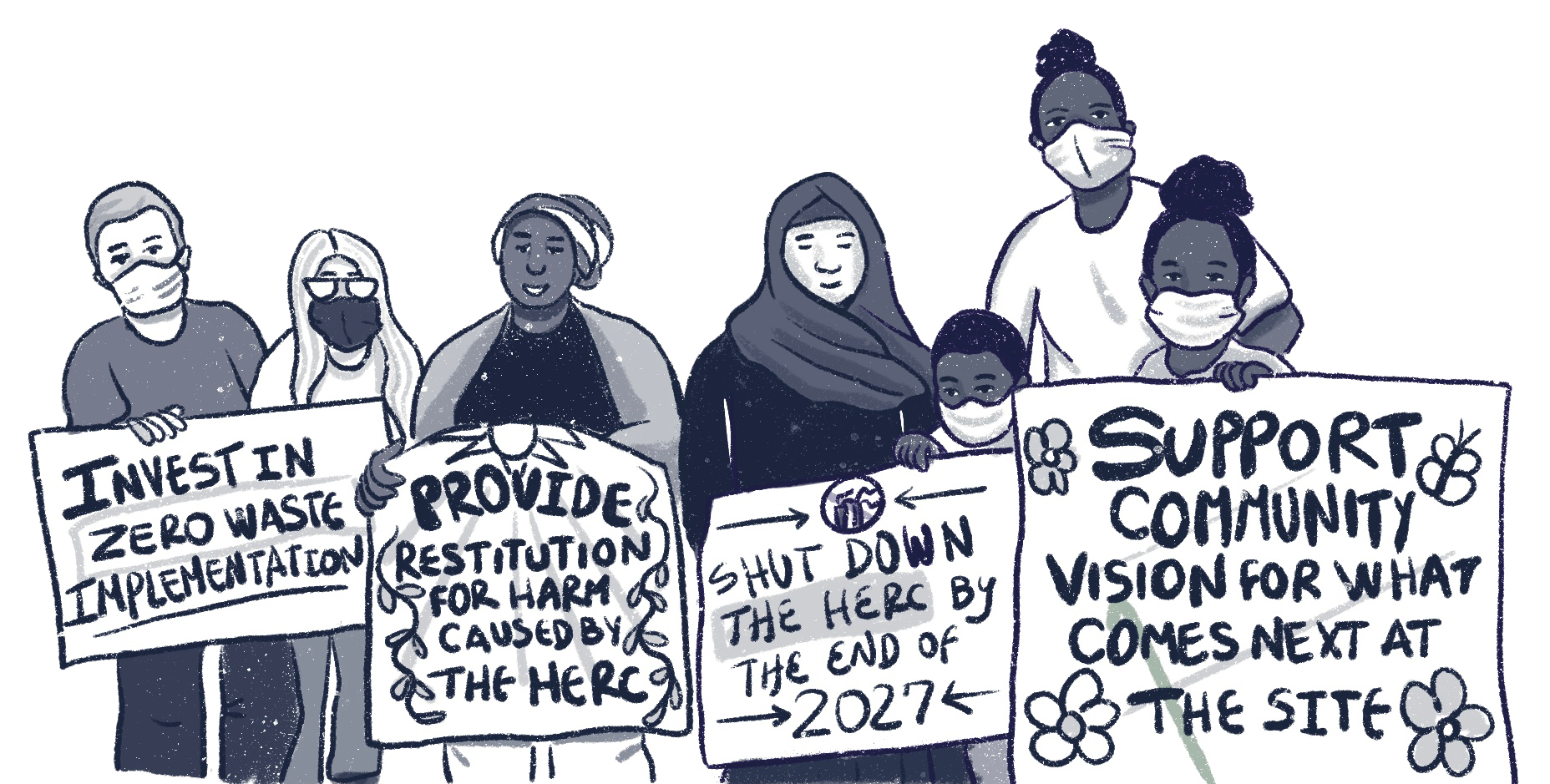

By placing their own bodies on the line, hunger strike participants are making visible what has long been treated as acceptable: that some communities are asked to absorb health risks — asthma, heart disease, cancer — while decision-makers defer. These are our demands:

start closure of herc trash burner

AGREE TO A COMMUNITY LED TRANSITION PROCESS
ENSURE ACCOUNTABILITY AND TRANSPARENCY
Our vision
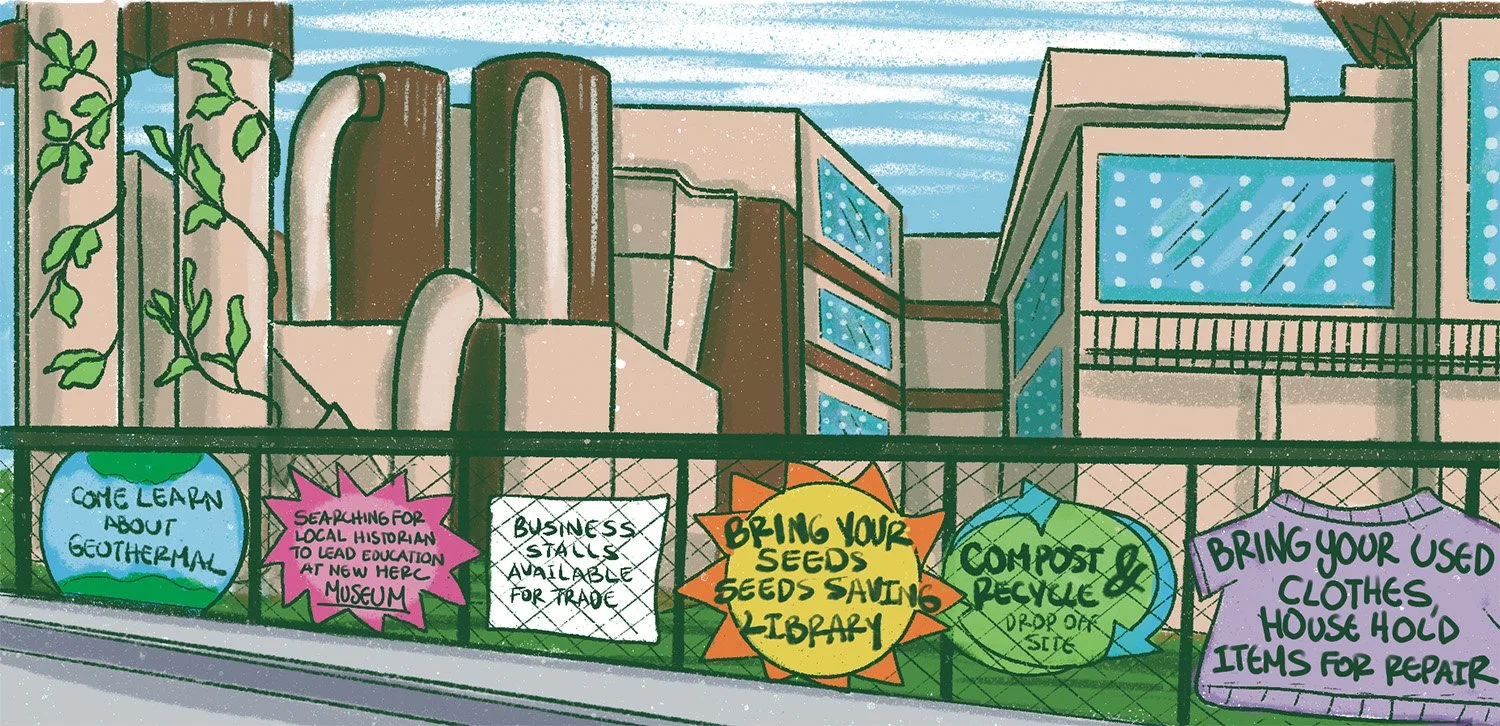
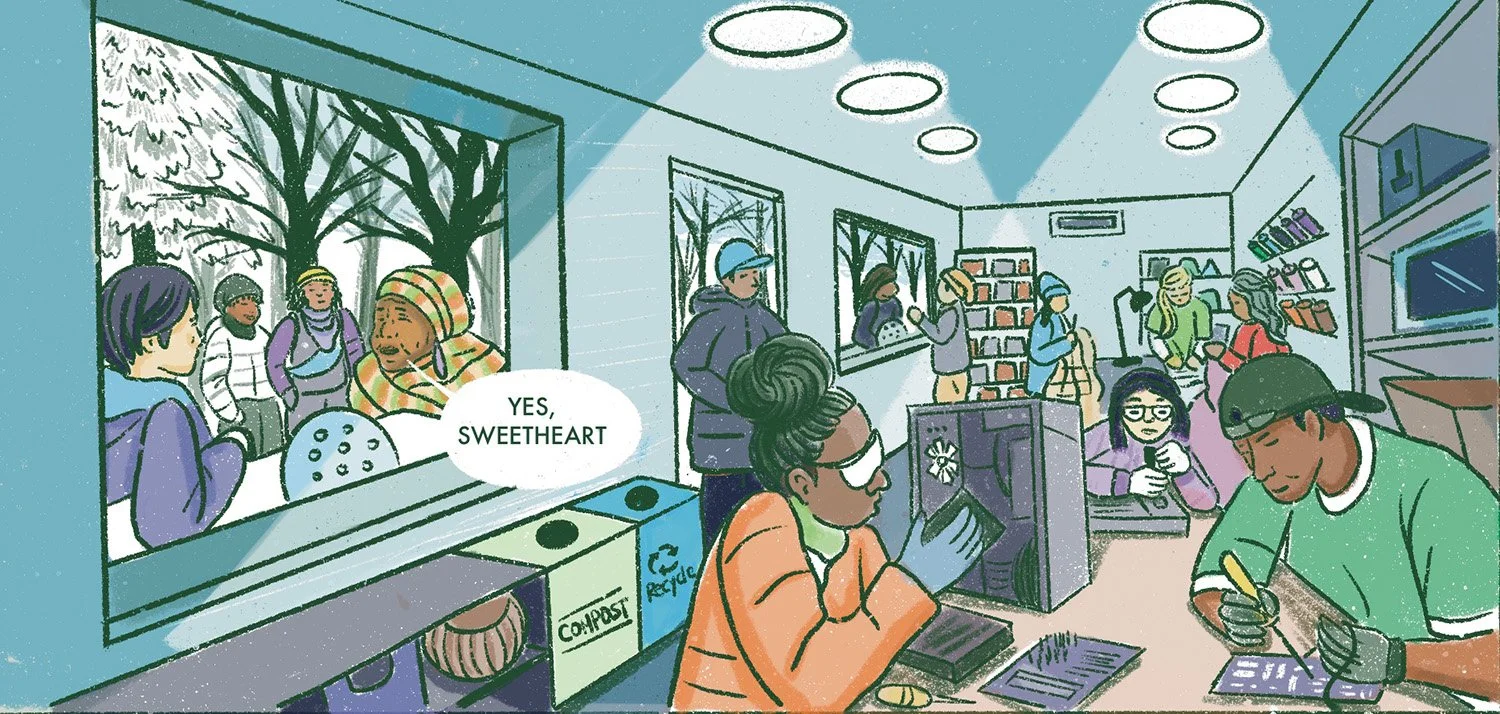
Zero Burn Coalition is partnering with resource recovery experts, policymakers, and community members to envision a zero-waste innovation hub in North Loop.

FAQ
-
Metro area landfills have existing capacity to receive what is going to HERC, so no new landfills are needed. An analysis by the Minnesota Center for Environmental Advocacy shows that metro area landfill capacity is sufficient until 2054, if HERC had closed in 2025.
The tens of millions of dollars being spent to keep HERC's aging machinery going (including $37 million in municipal bonds, that is debt) could be spent on much-needed composting facilities, reuse centers, improved recycling facilities and incentives, and necessary widespread education.
-
The HERC releases carbon monoxide, hydrochloric acid, nitrogen oxides, sulfur dioxide, and particulate matter in much higher concentrations than landfills. These emissions contribute to health problems such as asthma, heart conditions, and cancer. The facility also emits lead pollution, which can cause organ and brain damage, particularly in children.
Incineration has also become increasingly harmful as more plastic is used, discarded, and incinerated. Incineration of plastic creates dioxins, a major carcinogen that is toxic as well as the active ingredient in Agent Orange.
-
No. HERC’s air pollution permit limits are outdated, and were found to have been set in a manner that was inconsistent with the Clean Air Act. Many HERC pollutants level would surpass the limits in the modern permits.
Disease risk is directly related to distance from the HERC: disease risks are highest close to the HERC and lower further away. Distance from the HERC is an environmental justice concern because communities close to HERC are disproportionately overburdened and disadvantaged communities (environmental justice communities). The cumulative impact of existing burdens and higher disease risks creates substantial inequities for the many disadvantaged communities near the HERC.
-
Zero Waste International Alliance (the global zero waste authority) considers incineration “unacceptable.”
HERC delivers 23% of the tonnage it receives to landfills in the form of ash. This concentrated, toxic ash creates a higher risk of groundwater pollution.
We could keep 70 percent of this waste out of landfills entirely with more recycling and composting. According to Hennepin County, the waste it receives, by weight, is 16 percent paper, 2 percent glass, 5 percent metals, 15 percent plastic, 32 percent organics, and 30 percent “other.” The remaining 30% of trash, classified as “other,” is not recyclable or compostable.
If we recovered these recyclable and compostable materials, the total waste volume would be comparable to what the HERC sends to the landfill in the form of ash—but without the air pollution or concentrated toxicity.
-
HERC is the third largest carbon emitter in Hennepin County. It emits 173,254 tons of carbon dioxide each year. The HERC is incompatible with our State’s clean energy future. As such, it was recently removed from the State’s renewable energy definition.
Landfills emit methane, another potent greenhouse gas, and incineration is held up as a solution to that problem. While methane emissions from landfilling do pose a major problem, it’s not responsible or effective to substitute one greenhouse gas emitter for another. Further, the same strategies that would divert waste from the HERC would address the methane problem from landfills. Most of the methane produced by landfills comes from compostable organics that haven’t been diverted away from the waste stream. Separating and composting organic waste can reduce methane emissions from landfills by 62%.
Globally, better waste management policies such as waste separation, recycling, and composting could cut total greenhouse gas emissions from the waste sector by 84%. That’s equivalent to the annual emissions of 300 million cars — or taking all motor vehicles in the U.S. off the road for an entire year.
supported by