
Hennepin County Must Stop Burning Trash in Minneapolis
For 37 years, Hennepin County has burned trash into the heart of a Black and working-class Minneapolis community — past its expected lifespan, past every promise of transition, and past the point where delay can be called anything other than a choice.
The Hennepin Energy Recovery Center (HERC) concentrates pollution, health risk, and harm in neighborhoods that are disproportionately low-income and people of color, while wealthier parts of the county send their trash here and bear none of the burden.
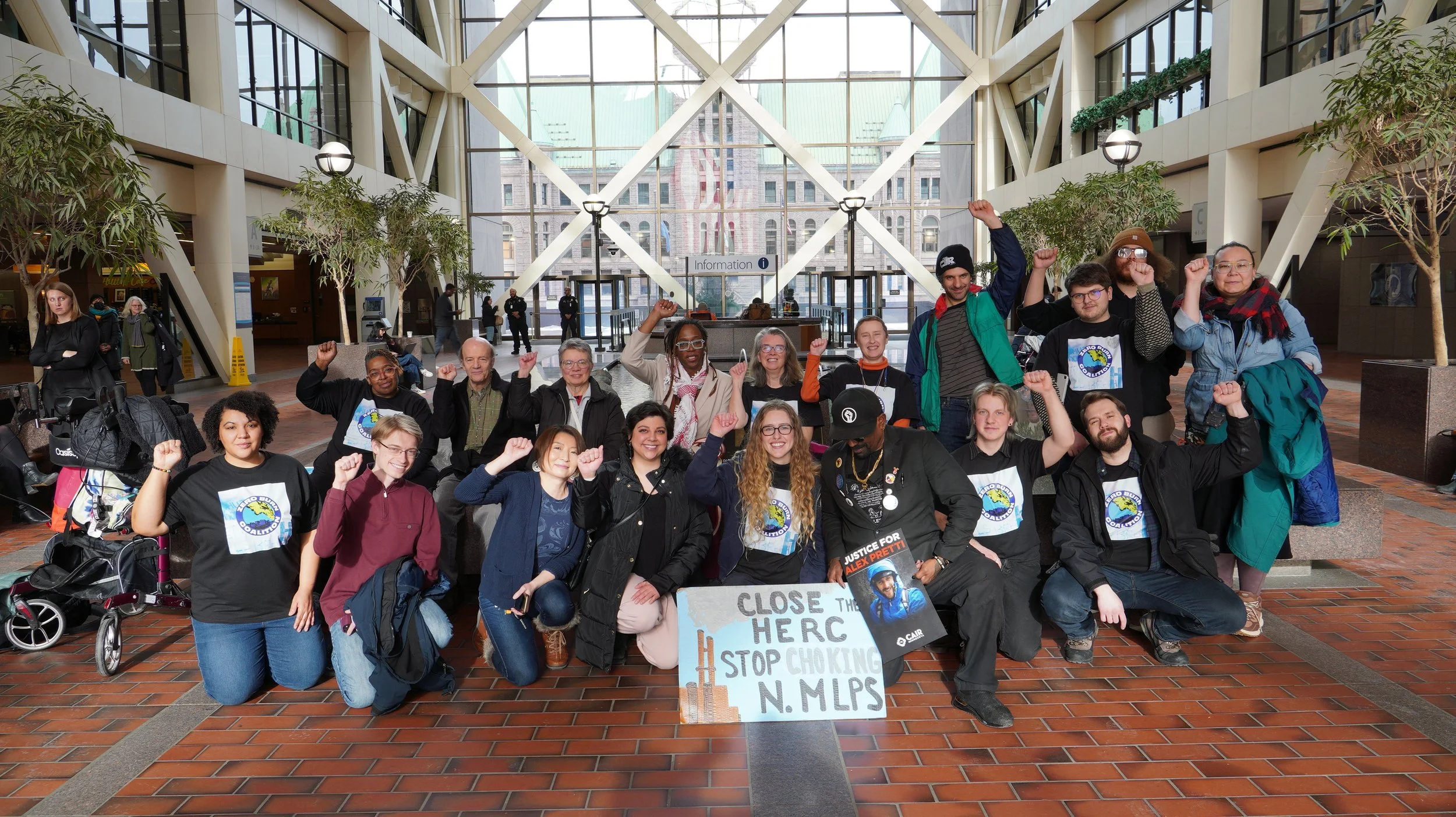

We demand the Hennepin County Board follow through on its promise to end toxic trash incineration in Minneapolis. The County must call for an immediate vote and a closure date of December 31, 2027 and create a formal, community-led task force to work alongside the Board to deliver a just transition to a zero-waste future where all of us have the freedom to breathe fresh air.

hold an immediate vote to close herc

Set a firm closure date of December 31, 2027
create community-led task force to deliver zero waste transition
Our vision
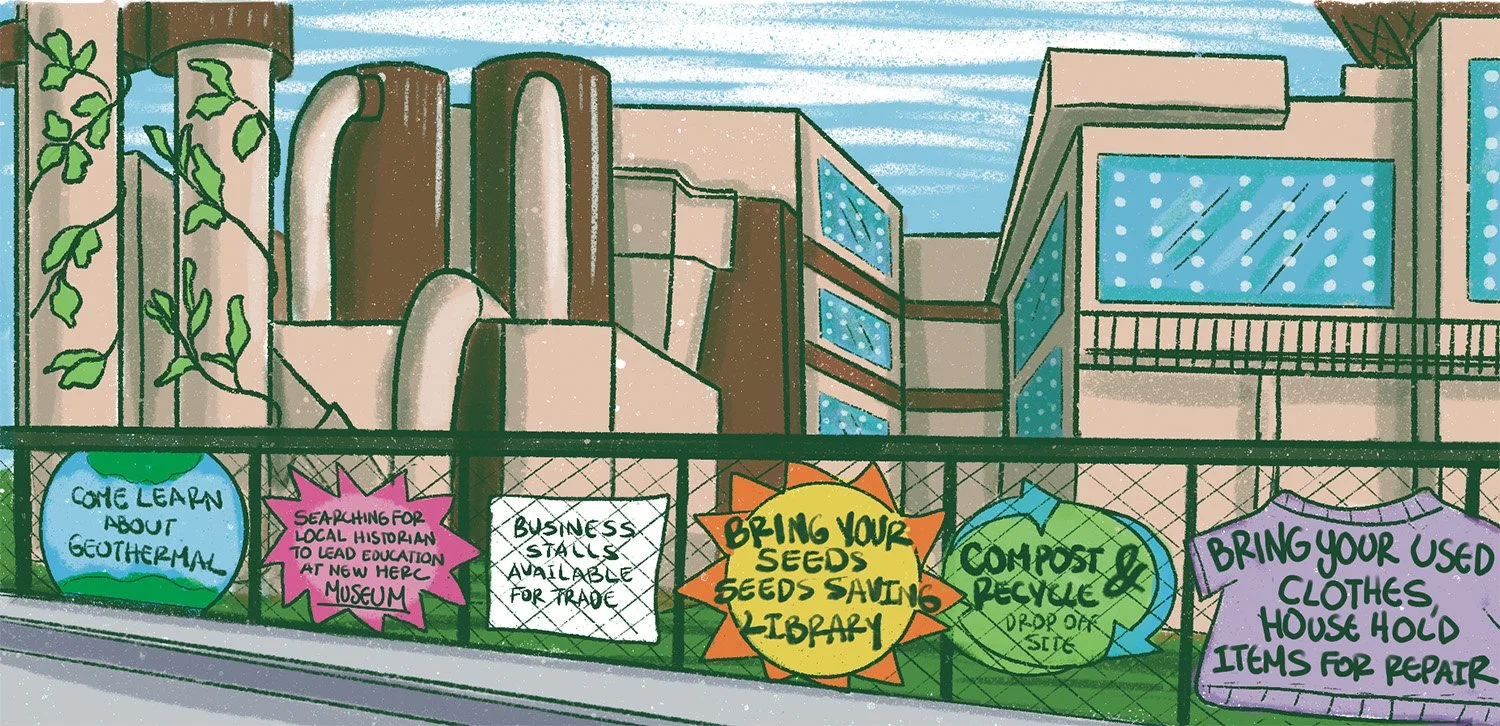
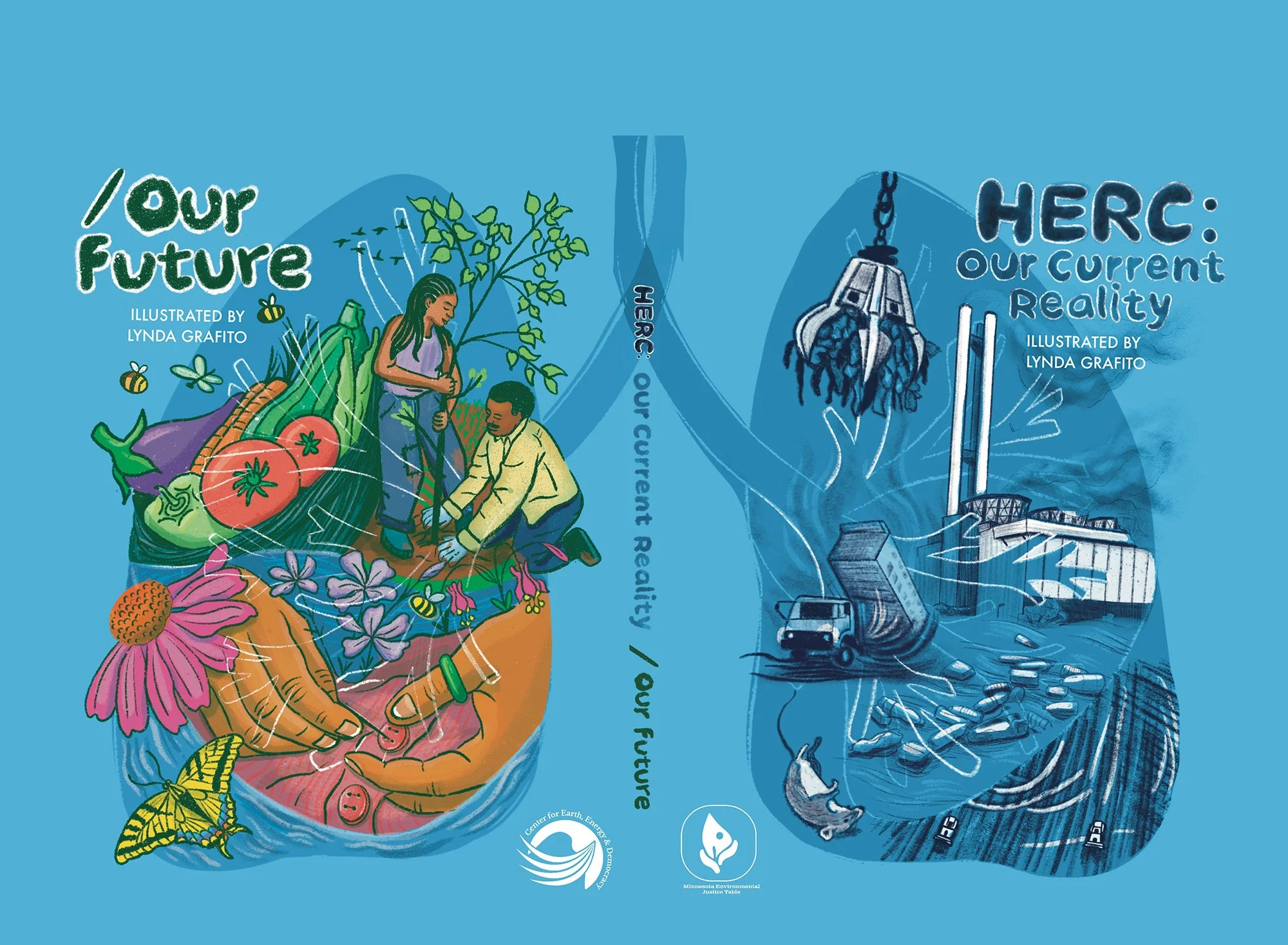
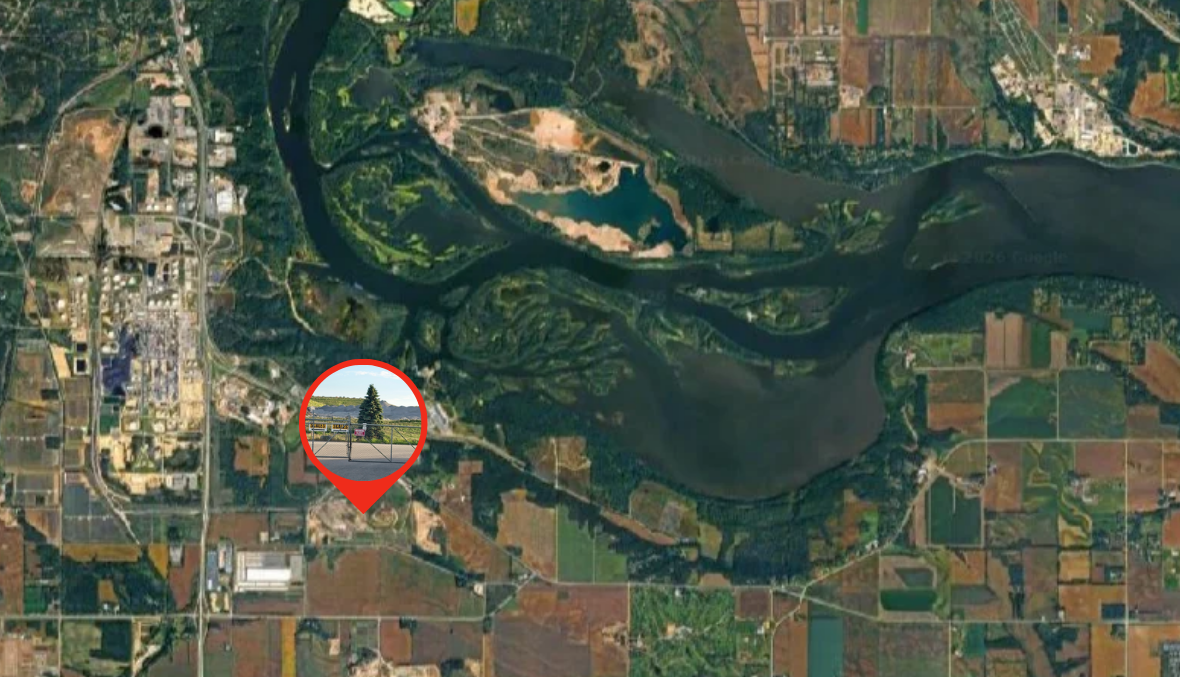
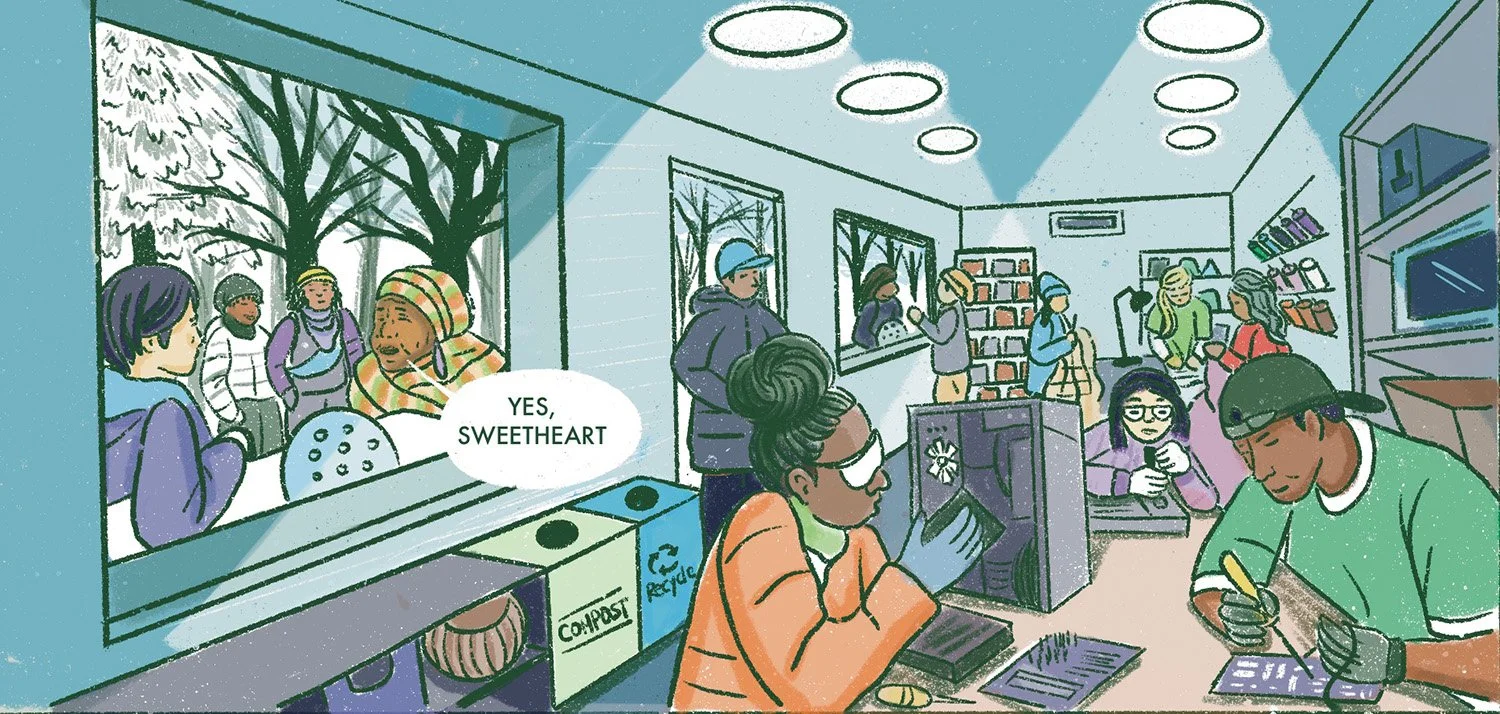
We are partnering with zero waste experts, urban planners, and community members to envision a zero waste innovation hub in North Loop.

FAQ
-
The Hennepin Energy Recovery Center — known as HERC — is a trash burner that has been incinerating hundreds of thousands of tons of waste each year since 1989, located between Downtown and North Minneapolis. It sits in a densely populated, majority-Black community, burning trash sent from across Hennepin County and surrounding suburbs.
That concentration of harm is not accidental. It reflects deliberate decisions about where pollution is allowed to exist — and whose health is treated as expendable. The trash burner was built with a 20-year design life. It should have been retired by 2009.
Instead, the County has extended its operation year after year while the surrounding community continues to absorb the pollution.
Clean air should not depend on your zip code. This is urgent because people are getting sick, the County has the authority to act, and every year of delay is another year of preventable harm.
-
We are asking the Hennepin County Board to do three things: take a public vote to close the trash burner, set a firm closure date, and establish a community-led task force to ensure a just transition to a zero-waste future. The County Board has the authority to do all three today. No new legislation required. What has been missing is the political will to act.
-
Every day, residents near the trash burner — and communities downwind — breathe its toxic emissions: fine particulate matter (PM2.5), nitrogen oxides, hydrochloric acid, lead, dioxins, mercury, and other hazardous air pollutants. These are linked to asthma, heart disease, stroke, cancer, and premature death. Multiple pollutants from trash incineration — including particulate matter, dioxins, and PFAS — have no established safe level of exposure. EPA modeling associates the trash burner’s particulate emissions alone with 1–2 premature deaths and $11–24 million in health damages annually, with the greatest impacts on communities closest to the facility.
-
Hennepin County Commissioners say the trash burner’s pollution is “within permit limits.” But those limits were never properly set. A federal court found that the original MACT standards used for HERC’s permit were incorrectly established. The limits are based on what pollution control equipment was capable of capturing decades ago — not on what is safe to breathe. Even by the EPA’s own updated standards proposed in 2024, the trash burner would fail to meet newer limits for hydrochloric acid and nitrogen oxides. The numbers are specific: an independent analysis of the County’s own emissions data found HERC’s hydrochloric acid emissions would exceed proposed standards for existing facilities by 8–21%, and nitrogen oxides by up to 7%. Under standards for new facilities, HCl would exceed limits by ~81% and nitrogen oxides by ~135%.
The County’s own risk assessment tool, MNRisks, excludes particulate matter and ozone — two of the six major criteria air pollutants — from its calculations entirely. Pollutants are also assessed one at a time, not in combination, even though residents breathe all of them simultaneously. When cumulative risk is calculated using the County’s own data, cancer risk for tracts closest to the trash burner already exceeds MPCA’s acceptable limits by 2–4 times — before accounting for Environmental Justice community vulnerability. Science has moved forward. The permit has not.
-
Pound for pound, yes — significantly. Compared to coal producing the same amount of energy, trash incineration generates roughly 28 times more dioxin, 6–14 times more mercury, and about 6 times more lead, along with more CO2, carbon monoxide, and nitrogen oxides.
The comparison understates the problem. The trash burner tests for dioxins once a year under controlled conditions, missing startups, shutdowns, and malfunctions. Research has found actual dioxin emissions from incinerators run 460–1,290 times higher than annual stack tests indicate. The test is not a monitoring program — it is a snapshot taken under the best possible circumstances.
supported by